Gainsight Reviews 2026: We Analyzed 600+ User Ratings. Worth It?
Written by
Ishan Chhabra
Last Updated :
February 5, 2026
Skim in :
7
mins
In this article
Revenue teams love Oliv
Here’s why:
All your deal data unified (from 30+ tools and tabs).
Insights are delivered to you directly, no digging.
AI agents automate tasks for you.
Thank you! Your submission has been received!
Oops! Something went wrong while submitting the form.
Meet Oliv’s AI Agents
Hi! I’m, Deal Driver
I track deals, flag risks, send weekly pipeline updates and give sales managers full visibility into deal progress
Hi! I’m, CRM Manager
I maintain CRM hygiene by updating core, custom and qualification fields all without your team lifting a finger
Hi! I’m, Forecaster
I build accurate forecasts based on real deal movement and tell you which deals to pull in to hit your number
Hi! I’m, Coach
I believe performance fuels revenue. I spot skill gaps, score calls and build coaching plans to help every rep level up
Hi! I’m, Prospector
I dig into target accounts to surface the right contacts, tailor and time outreach so you always strike when it counts
Hi! I’m, Pipeline tracker
I call reps to get deal updates, and deliver a real-time, CRM-synced roll-up view of deal progress
Hi! I’m, Analyst
I answer complex pipeline questions, uncover deal patterns, and build reports that guide strategic decisions
TL;DR
Gainsight earns its 4.5/5 rating for enterprise teams with 100+ accounts per CSM, dedicated CS Ops admins, and 8-12 week implementation budgets.
Hidden costs inflate TCO significantly: Implementation ($10K-$120K), training ($3K-$40K), and ongoing admin FTE (0.5-1) rarely appear in initial quotes.
Reddit sentiment skews negative (60%) with recurring themes: "two CRM problem," admin burden, sunk cost trap, and complexity exceeding value for lean teams.
Mid-market teams consistently report over-tooling: Configuration overhead often exceeds value delivered without dedicated CS Ops resources.
2026 market is bifurcating: Configuration-first platforms (Gainsight) vs. intelligence-first AI-native tools that deliver signals without months of setup.
AI-native alternatives offer 1-2 day time-to-value versus Gainsight's 8-12 week implementation, making them better suited for leaner CS teams.
Q1. What Do 600+ Gainsight Reviews Actually Reveal? [toc=Review Analysis Summary]
Gainsight dominates the customer success platform category with substantial user feedback across major review platforms. Analyzing aggregated ratings provides an objective foundation for evaluating whether this enterprise CS tool delivers on its promises.
⭐ Aggregate Ratings Across Platforms
Gainsight Ratings Across Major Review Platforms
Platform
Rating
Review Count
Recognition
G2
4.5/5
1,600+ reviews
Leader, Customer Success Software
Capterra
4.5/5
49 reviews
Top Rated 2025
TrustRadius
8.2/10
450+ reviews
Top Rated Award 2025
Gartner Peer Insights
4.4/5
300+ reviews
Customers' Choice 2024
Gainsight earned the 2025 Gartner Magic Quadrant Leader position for Customer Success Management Platforms, reinforcing its enterprise credibility.
📊 What the Data Shows: Sentiment Breakdown
G2's AI-generated summary from verified reviews reveals clear patterns:
Top Positive Themes:
Ease of use and organized dashboards (97 mentions)
Centralized customer data enabling better decisions (54 mentions)
Comprehensive visibility for tracking account health (51 mentions)
Exceptional customer support (39 mentions)
Seamless data centralization for customer interactions (38 mentions)
Top Negative Themes:
Interface not intuitive, requiring workarounds (23 mentions)
Missing features and inconsistencies (22 mentions)
Steep learning curve with complex UI (20 mentions)
Complexity and bugs frustrating users (19 mentions)
Limited customization options (18 mentions)
⚠️ The Polarization Pattern
Reviews cluster at extremes. Enterprise users with dedicated CS Ops teams rate Gainsight highly, praising its depth. Smaller teams and those without admin resources express frustration with complexity.
A two-sided comparison visual showing enterprise teams on the left (green, positive) with attributes "dedicated CS Ops," "100+ accounts/CSM," "praise depth" versus lean teams on the right (amber, challenging) with "no admin resources," "50-100 accounts," "cite complexity." Center dividing line labeled "4.5/5 Average Masks Variance."
The 4.5/5 average masks significant variance. Gainsight delivers exceptional value for organizations with resources to configure and maintain it but the implementation burden and learning curve create friction for leaner teams seeking faster time-to-value. For teams evaluating revenue intelligence platforms, understanding this nuance is critical before committing.
Q2. What Are Gainsight's Biggest Strengths According to Users? [toc=Top Strengths]
When users praise Gainsight, specific capabilities consistently emerge. Understanding these strengths helps evaluate whether the platform aligns with your CS team's priorities.
⭐ Health Scoring and Customer 360° View
Gainsight's health scoring engine remains its flagship differentiator. Users can configure multi-dimensional health scores incorporating product usage, support tickets, NPS responses, and engagement metrics.
"Certain inherent functionality is nice, like the ability to configure Health Scores based on a variety of factors, which would be a time consuming configuration in Salesforce." Verified User, Computer Software, G2 Verified Review
The 360° customer view consolidates data points including usage, support cases, meetings, and renewal dates into unified account profiles, eliminating spreadsheet dependency for portfolio management.
📊 Journey Orchestration and Playbooks
Gainsight's Journey Orchestrator enables automated customer touchpoints triggered by health score changes, lifecycle stages, or behavioral signals. The Dynamic Journey Orchestrator introduced branching capabilities for smarter, conditional program flows.
"We also value the journey orchestration capabilities, especially with CSM impersonation. The introduction of Dynamic Journey Orchestrator has made it much more flexible to use." Verified User, Enterprise (1000+ emp.), G2 Verified Review
✅ Salesforce Integration Depth
As a Salesforce-native application, Gainsight offers deep bidirectional sync capabilities. Users highlight the ability to pull Salesforce data into Gainsight dashboards and push CS insights back to sales teams. Organizations looking to build a revenue operations function often evaluate this integration depth carefully.
Gainsight Top Strengths by User Mentions
Strength
User Mentions
Why It Matters
Health Scoring
51+
Proactive churn identification
Data Centralization
54+
Single source of truth
Journey Orchestration
High
Automated customer touchpoints
Salesforce Integration
High
Revenue team alignment
Reporting/Dashboards
97+
Executive visibility
💡 Enterprise Scalability
For organizations managing thousands of accounts across multiple CSM teams, Gainsight's rules engine and data designer provide enterprise-grade data manipulation capabilities.
Q3. What Are the Most Common Complaints About Gainsight? [toc=Common Complaints]
Even with a 4.5/5 rating, Gainsight attracts consistent criticism. Analyzing 600+ reviews reveals friction patterns that potential buyers should evaluate against their operational capacity.
❌ The Honest Reality: Recurring Pain Points
Reviews surface predictable complaints: steep learning curves, implementation complexity spanning months, ongoing admin overhead, buggy interfaces, and costs that extend far beyond the license fee. These aren't outlier experiences but systematic patterns affecting mid-market buyers disproportionately.
Traditional CS platforms like Gainsight were architected in a pre-AI era that assumed organizations would invest months configuring health scores, building playbooks, and training teams on dashboard navigation. This "configuration debt" creates a structural burden:
Implementation timelines: 6 weeks to 6 months depending on complexity
Dedicated admin requirement: Most deployments require 0.5-1 FTE for ongoing maintenance
Dashboard fatigue: Users must actively dig through reports to find insights
A vertical stacking diagram showing five sequential configuration layers building upward like blocks. Each layer labeled from bottom: "Data Modeling," "Health Score Calibration," "Playbook Design," "User Training," "Integration Testing." Arrows between layers show compounding effect with text "Each layer compounds maintenance burden."
🔄 The AI-Era Expectation Shift
Modern CS leaders increasingly expect insights delivered proactively rather than buried in dashboards requiring manual interpretation. The 2025-2026 market shift demands platforms that surface signals without requiring months of configuration first. Understanding the future of revenue intelligence helps contextualize why these expectations are changing.
"There is an excessive focus on AI at the expense of addressing basic features, parity issues, and stability problems that, if resolved, would significantly improve the platform." Verified User, Enterprise (1000+ emp.), G2 Verified Review
✅ How AI-Native Platforms Address These Frustrations
Oliv AI represents the emerging alternative: intelligence-first tools that surface churn risks, engagement gaps, and expansion signals without health score calibration or playbook configuration. Our Health Monitor Agent scans accounts weekly for anomalies, alerting CSMs proactively rather than requiring months of manual setup to complete.
A pie or stacked bar chart showing 50-user Essentials+ Year 1 total cost of $126K-$170K broken into segments: License ($120K, largest), Implementation ($10K-$40K), Training ($3K-$10K), with callout noting "0.5-1 FTE ongoing admin cost not shown." Year 2+ shown as smaller comparison at $108K-$132K.
Q4. How Much Does Gainsight Actually Cost in 2026? [toc=Pricing Breakdown]
Gainsight doesn't publish pricing publicly, creating procurement friction for budget-conscious buyers. Verified Vendr data from 102 recent transactions reveals the true cost landscape. For a comprehensive breakdown, see our detailed Gainsight pricing analysis.
💰 Per-User Pricing by Edition (Vendr Data)
Gainsight Pricing by Edition (Median Annual Cost)
Edition
10 Users (Median)
50 Users (Median)
Per-User Cost
Essentials
$24,000/year
$90,000/year
$1,800-$2,400
Essentials+
$30,000/year
$120,000/year
$2,400-$3,000
Enterprise
$42,000/year
$168,000/year
$3,000-$4,200
Volume discounts reduce per-user costs by 40-50% when scaling from 10 to 500 users.
⚠️ The Hidden Cost Problem
The quoted license fee rarely reflects actual Year 1 spend. Traditional enterprise software pricing includes layers that inflate total cost of ownership. Teams looking to reduce sales tech stack costs should factor these hidden expenses:
Gainsight Hidden Costs Beyond License Fee
Hidden Cost
Typical Range
Impact
Implementation
$10,000-$120,000
One-time
Training
$3,000-$40,000
One-time
Premium Support
8-12% of ACV
Annual
Data Migration
$5,000-$50,000
One-time
Annual Uplift
5-10% increase
Compounding
"Consider the costs and implementation time. Implementation took us a good 6 months, and now we cannot consider switching because of how entrenched we are with it, even though it is obscenely expensive." Verified User, Computer Software, G2 Verified Review
💸 Year 1 vs. Year 2+ Reality
For a 50-user Essentials+ deployment:
Year 1 Total: $126,000-$170,000 (license + implementation + training)
Year 2+ Recurring: $108,000-$132,000 (license + uplift)
🔄 How AI-Native Pricing Disrupts the Model
Modern platforms are eliminating the implementation tax entirely. Oliv offers transparent, modular pricing with no mandatory platform fees. You pay for specific AI agents rather than bloated license bundles. There are no $50K implementation projects or 6-month timelines before seeing value.
The CRM Manager Agent and Deal Driver Agent work immediately without requiring health score calibration. Core deployment takes 1-2 days versus Gainsight's 4-6 month implementation cycle. For teams exploring deal intelligence platforms, this speed difference represents a fundamental shift in how CS technology delivers value.
"Before switching to Oliv, cleaning up messy CRM fields and guessing at forecasts used to swallow half my week. Oliv fixes the data as it happens." Darius Kim, Head of RevOps, Driftloop
Q5. Who Should Buy Gainsight? (And Who Definitely Shouldn't) [toc=Ideal Buyer Fit]
Gainsight delivers genuine value for the right buyer profile but purchasing an enterprise CS platform without the resources to extract that value creates expensive shelfware. Honest fit assessment protects both buyers and vendors.
✅ Ideal Gainsight Customer Profile
Gainsight excels when deployed by organizations with:
Many mid-market teams purchase enterprise platforms and discover the configuration overhead exceeds the value delivered. Reviews consistently surface this mismatch:
Teams without dedicated admin resources often struggle with adoption. The platform's power becomes a liability when there's nobody to configure and maintain it properly. Organizations evaluating their revenue intelligence platform options should carefully assess internal resource availability.
A decision tree flowchart starting with "Evaluating CS Platform?" branching based on key questions: "100+ accounts per CSM?" and "Dedicated CS Ops resources?" and "8-12 week implementation acceptable?" Leading to two endpoints: "Configuration-First (Gainsight)" or "Intelligence-First (AI-Native)."
🔄 The 2026 Market Shift: Signals Over Complexity
CS teams increasingly want insights surfaced proactively not dashboards requiring manual interpretation. The "lean CS team" managing 50-150 accounts per CSM is becoming standard, yet these teams often lack the CS Ops headcount that enterprise platforms assume.
Modern buyers prioritize:
Days-to-value over months-to-implementation
Signals delivered over dashboards to dig through
AI-led insights over configuration-heavy workflows
✅ AI-Native Alternatives for Underserved Segments
Oliv AI addresses this emerging market segment. Our MAP Manager Agent automatically creates and updates mutual action plans after every customer interaction with no playbook configuration required. The Health Monitor Agent scans accounts weekly for anomalies and alerts CSMs before risk escalates.
Setup takes 5 minutes for baseline functionality, with core value delivered in 1-2 days versus Gainsight's 8-12 week enterprise implementation cycle. For teams exploring the future of revenue intelligence, this represents a fundamental shift in how CS technology delivers value.
📋 Decision Matrix
Gainsight vs AI-Native Decision Matrix
Choose Gainsight If...
Choose AI-Native If...
100+ accounts per CSM
50-100 accounts per CSM
Dedicated CS Ops team
No admin resources
8-12 week implementation budget
Need value in days
Deep Salesforce integration
CRM-agnostic flexibility
Complex multi-product playbooks
Simple, signal-first workflow
Q6. Gainsight vs ChurnZero vs Totango vs Vitally: 2026 Comparison [toc=Competitor Comparison]
Selecting a customer success platform requires understanding where each tool excels and falls short. This comparison analyzes the four leading platforms across dimensions that matter most to CS leaders.
📊 Platform Comparison Table
CS Platform Comparison 2026
Dimension
Gainsight
ChurnZero
Totango
Vitally
G2 Rating
4.5/5 (1,600+ reviews)
4.7/5 (1,300+ reviews)
4.3/5 (900+ reviews)
4.5/5 (400+ reviews)
Best For
Enterprise (1000+ emp.)
Mid-Market
Mid-Market/Enterprise
Startups/SMB
Starting Price
~$2,500/user/year
~$1,500/user/year
Custom
~$1,200/user/year
Implementation
8-12 weeks
4-8 weeks
6-10 weeks
2-4 weeks
Salesforce Integration
Native, deep
Strong
Good
Basic
Learning Curve
Steep
Moderate
Moderate
Low
⭐ Where Each Platform Excels
Gainsight: Unmatched depth for enterprise complexity including health scoring, journey orchestration, and data transformation capabilities serve organizations with dedicated CS Ops teams and mature processes.
ChurnZero: Real-time alerts and in-app engagement tools. Faster implementation than Gainsight with strong playbook automation. Best balance of power and usability for mid-market.
Totango: Modular "SuccessBLOCs" approach allows incremental adoption. Strong product usage analytics. Good for companies scaling CS programs gradually.
Vitally: Modern UI, fastest implementation, built for SaaS startups. Limited enterprise features but excellent for teams wanting quick deployment.
For teams prioritizing speed and insight over configuration depth, Oliv AI offers a fundamentally different approach: AI agents that surface churn risks, engagement gaps, and expansion signals without health score calibration or playbook setup. Implementation takes days, not months and insights are delivered proactively rather than buried in dashboards. Learn more about AI-native revenue orchestration platforms reshaping this space.
Q7. What's New in Gainsight for 2026? AI, Staircase, and Agentic Features [toc=2026 Updates]
Gainsight continues investing in AI capabilities and has earned significant industry recognition heading into 2026. Understanding these developments helps evaluate whether recent innovations address historical pain points.
🏆 2025-2026 Industry Recognition
Gainsight Industry Recognition 2025-2026
Recognition
Year
Significance
Gartner Magic Quadrant Leader
2025
Customer Success Management Platforms
Forrester Wave Leader
2025
Customer Success Solutions
TrustRadius Top Rated
2025
Based on verified customer reviews
G2 Leader
2025-2026
Enterprise Grid Report
This recognition validates Gainsight's market position for enterprise buyers prioritizing established vendor credibility.
🤖 Staircase AI Acquisition: Relationship Intelligence
Gainsight's acquisition of Staircase AI brings AI-powered relationship intelligence capabilities:
Sentiment analysis across customer communications
Stakeholder mapping identifying champions and detractors
Risk scoring based on communication patterns
Automated relationship health beyond traditional usage metrics
This addresses a historical gap: traditional health scores relied heavily on product usage data, missing relationship dynamics that often predict churn. Teams evaluating AI sales forecasting software will recognize these capabilities as increasingly standard expectations.
⚠️ User Skepticism on AI Implementation
Despite AI announcements, reviews reveal skepticism about execution:
"There is an excessive focus on AI at the expense of addressing basic features, parity issues, and stability problems. The admin community has been requesting these basic improvements for years, yet we are repeatedly told that 'AI will solve this.'" Verified User, Enterprise (1000+ emp.), G2 Verified Review
📋 New Capabilities Summary
Gainsight 2026 New Capabilities
Feature
Status
User Impact
Staircase AI Integration
Rolling out
Relationship intelligence
Dynamic Journey Orchestrator
Available
Flexible branching workflows
AI-Powered Risk Alerts
Beta
Proactive churn warnings
Enhanced Data Designer
Available
Improved data transformation
✅ The Bottom Line
Gainsight's AI investments are directionally correct, but implementation remains configuration-heavy. For teams wanting AI-native intelligence without waiting for legacy platform transformation, purpose-built alternatives like Oliv AI deliver proactive insights immediately without requiring existing infrastructure upgrades. Explore how deal intelligence platforms are evolving beyond traditional approaches.
Q8. Gainsight Implementation: Timeline, Requirements, and Success Checklist [toc=Implementation Guide]
Implementation complexity is the most consistent criticism in Gainsight reviews. Setting realistic expectations and understanding what success requires helps avoid becoming a cautionary tale.
⏰ Realistic Implementation Timelines
Gainsight Implementation Timelines by Company Size
User training: Role-based workflows across CSM, manager, admin personas
Integration testing: Salesforce sync, product analytics, support tickets
Each layer compounds "configuration debt" with small decisions that create maintenance burden over time. Teams looking to reduce sales tech stack costs should factor this ongoing maintenance investment into total cost calculations.
Modern AI-native tools invert the implementation model: instead of configuring workflows, they learn from existing CRM data and communication patterns to surface insights immediately. Configuration becomes optional enhancement rather than prerequisite.
Oliv AI's implementation approach delivers baseline functionality in 5 minutes, core value in 1-2 days, and full customization in 2-4 weeks. We offer free data migration from legacy platforms because our philosophy is that AI agents should do the work, not require months of manual setup. Compare this to typical Gong implementation timelines that also span months.
✅ Gainsight Implementation Success Checklist
If proceeding with Gainsight, ensure these prerequisites:
☐ Success metrics defined to measure implementation ROI
Q9. What Do Reddit and Community Forums Say About Gainsight? [toc=Reddit Community Feedback]
Curated review platforms like G2 filter for verified buyers and professional tone. Reddit and community forums provide raw, unfiltered sentiment where frustrated users vent without worrying about vendor relationships.
💬 The "Gainsight is Garbage" Thread (May 2025)
A viral r/CustomerSuccess thread titled "Gainsight is garbage" accumulated 34 upvotes and 33 comments, revealing common frustrations:
"This is easily the most disappointing CRM tool I've encountered, yet many businesses continue to incorporate it into their software suite, even though it's not necessary at all." u/Professional_Tip365, r/CustomerSuccess
The thread sparked dozens of supporting comments:
Reddit User Comments on Gainsight
User
Comment
Upvotes
u/iamacheeto1
"Gain Shite"
13
u/tpelly
"This customer service platform is excessively complex, featuring numerous gaps in its UI/UX. It lacks flexibility and is overpriced."
4
u/Gorstrom
"Our organization is pushing everyone to adopt it, despite it being quite cumbersome and overloaded."
5
⚠️ Recurring Reddit Complaints
Across multiple threads, CS professionals consistently surface these issues:
"Two CRM problem": Gainsight creates a parallel system to Salesforce, fragmenting workflows
Admin burden: "My manager allows us dedicated 1-2 days per week to just do nothing but update GS"
Sunk cost trap: Organizations feel locked in despite dissatisfaction
Cost vs. value: "The only way to justify the cost is by investing in the AI add-on"
"From a management and decision-maker perspective, I don't think it's worth it. The sunk cost fallacy starts to creep in. But the truth is, it's a nice-to-have, not a need-to-have." u/GraceWisdomVictory, r/CustomerSuccess
Teams exploring Gong alternatives often encounter similar sentiment about legacy platforms requiring excessive manual intervention.
✅ Balanced Perspective: What Defenders Say
Not all Reddit sentiment is negative. Users acknowledge Gainsight's strengths when properly implemented:
"I appreciate the ability to delegate tasks to team members through Gainsight in Salesforce. The journey feature is quite impressive." u/msmithuf09, r/CustomerSuccess
The unfiltered community consensus: Gainsight is powerful but over-engineered, creating more administrative work than it eliminates for teams without dedicated CS Ops resources. For teams researching revenue intelligence platforms, this community feedback provides valuable context beyond vendor marketing.
Q10. Is Gainsight Worth It in 2026? The Bottom Line [toc=Final Verdict]
After analyzing 600+ reviews across G2, TrustRadius, Capterra, and Reddit, the verdict is nuanced: Gainsight delivers exceptional value for the right buyer, but creates expensive frustration for the wrong one.
✅ Where Gainsight Genuinely Excels
Gainsight remains the market leader for enterprise CS teams with complex needs and that recognition is earned. The platform dominates when:
Scale demands sophistication: 100+ accounts per CSM, multi-product portfolios
The CS technology landscape is bifurcating. Traditional "configuration-first" platforms (Gainsight, ChurnZero, Totango) optimize for workflow management with deep customization. Emerging "intelligence-first" AI-native tools prioritize speed and insight over feature depth, delivering signals without months of setup.
CS leaders must now choose: workflow-heavy tooling that requires significant investment to extract value, or AI-led intelligence that surfaces what matters immediately. Teams evaluating the best AI sales tools are increasingly leaning toward the latter.
✅ The AI-Native Alternative
Oliv AI represents the intelligence-first approach. Our Health Monitor Agent scans accounts weekly for anomalies with no health score configuration required. The MAP Manager Agent automatically creates and updates mutual action plans after every customer interaction. Setup takes minutes, core value delivers in days, and insights arrive proactively rather than requiring dashboard navigation.
Choose Gainsight if: You have 100+ accounts per CSM, dedicated CS Ops resources, enterprise Salesforce integration requirements, and an 8-12 week implementation timeline with budget to match.
Explore AI-native alternatives if: You're a leaner CS team prioritizing speed over depth, want insights without months of configuration, or need to demonstrate value quickly without dedicated admin resources.
👉 If you're evaluating Gainsight, also explore AI-native alternatives like Oliv AI to experience the difference between workflow-heavy tooling and AI-led intelligence.
Q1. What Do 600+ Gainsight Reviews Actually Reveal? [toc=Review Analysis Summary]
Gainsight dominates the customer success platform category with substantial user feedback across major review platforms. Analyzing aggregated ratings provides an objective foundation for evaluating whether this enterprise CS tool delivers on its promises.
⭐ Aggregate Ratings Across Platforms
Gainsight Ratings Across Major Review Platforms
Platform
Rating
Review Count
Recognition
G2
4.5/5
1,600+ reviews
Leader, Customer Success Software
Capterra
4.5/5
49 reviews
Top Rated 2025
TrustRadius
8.2/10
450+ reviews
Top Rated Award 2025
Gartner Peer Insights
4.4/5
300+ reviews
Customers' Choice 2024
Gainsight earned the 2025 Gartner Magic Quadrant Leader position for Customer Success Management Platforms, reinforcing its enterprise credibility.
📊 What the Data Shows: Sentiment Breakdown
G2's AI-generated summary from verified reviews reveals clear patterns:
Top Positive Themes:
Ease of use and organized dashboards (97 mentions)
Centralized customer data enabling better decisions (54 mentions)
Comprehensive visibility for tracking account health (51 mentions)
Exceptional customer support (39 mentions)
Seamless data centralization for customer interactions (38 mentions)
Top Negative Themes:
Interface not intuitive, requiring workarounds (23 mentions)
Missing features and inconsistencies (22 mentions)
Steep learning curve with complex UI (20 mentions)
Complexity and bugs frustrating users (19 mentions)
Limited customization options (18 mentions)
⚠️ The Polarization Pattern
Reviews cluster at extremes. Enterprise users with dedicated CS Ops teams rate Gainsight highly, praising its depth. Smaller teams and those without admin resources express frustration with complexity.
A two-sided comparison visual showing enterprise teams on the left (green, positive) with attributes "dedicated CS Ops," "100+ accounts/CSM," "praise depth" versus lean teams on the right (amber, challenging) with "no admin resources," "50-100 accounts," "cite complexity." Center dividing line labeled "4.5/5 Average Masks Variance."
The 4.5/5 average masks significant variance. Gainsight delivers exceptional value for organizations with resources to configure and maintain it but the implementation burden and learning curve create friction for leaner teams seeking faster time-to-value. For teams evaluating revenue intelligence platforms, understanding this nuance is critical before committing.
Q2. What Are Gainsight's Biggest Strengths According to Users? [toc=Top Strengths]
When users praise Gainsight, specific capabilities consistently emerge. Understanding these strengths helps evaluate whether the platform aligns with your CS team's priorities.
⭐ Health Scoring and Customer 360° View
Gainsight's health scoring engine remains its flagship differentiator. Users can configure multi-dimensional health scores incorporating product usage, support tickets, NPS responses, and engagement metrics.
"Certain inherent functionality is nice, like the ability to configure Health Scores based on a variety of factors, which would be a time consuming configuration in Salesforce." Verified User, Computer Software, G2 Verified Review
The 360° customer view consolidates data points including usage, support cases, meetings, and renewal dates into unified account profiles, eliminating spreadsheet dependency for portfolio management.
📊 Journey Orchestration and Playbooks
Gainsight's Journey Orchestrator enables automated customer touchpoints triggered by health score changes, lifecycle stages, or behavioral signals. The Dynamic Journey Orchestrator introduced branching capabilities for smarter, conditional program flows.
"We also value the journey orchestration capabilities, especially with CSM impersonation. The introduction of Dynamic Journey Orchestrator has made it much more flexible to use." Verified User, Enterprise (1000+ emp.), G2 Verified Review
✅ Salesforce Integration Depth
As a Salesforce-native application, Gainsight offers deep bidirectional sync capabilities. Users highlight the ability to pull Salesforce data into Gainsight dashboards and push CS insights back to sales teams. Organizations looking to build a revenue operations function often evaluate this integration depth carefully.
Gainsight Top Strengths by User Mentions
Strength
User Mentions
Why It Matters
Health Scoring
51+
Proactive churn identification
Data Centralization
54+
Single source of truth
Journey Orchestration
High
Automated customer touchpoints
Salesforce Integration
High
Revenue team alignment
Reporting/Dashboards
97+
Executive visibility
💡 Enterprise Scalability
For organizations managing thousands of accounts across multiple CSM teams, Gainsight's rules engine and data designer provide enterprise-grade data manipulation capabilities.
Q3. What Are the Most Common Complaints About Gainsight? [toc=Common Complaints]
Even with a 4.5/5 rating, Gainsight attracts consistent criticism. Analyzing 600+ reviews reveals friction patterns that potential buyers should evaluate against their operational capacity.
❌ The Honest Reality: Recurring Pain Points
Reviews surface predictable complaints: steep learning curves, implementation complexity spanning months, ongoing admin overhead, buggy interfaces, and costs that extend far beyond the license fee. These aren't outlier experiences but systematic patterns affecting mid-market buyers disproportionately.
Traditional CS platforms like Gainsight were architected in a pre-AI era that assumed organizations would invest months configuring health scores, building playbooks, and training teams on dashboard navigation. This "configuration debt" creates a structural burden:
Implementation timelines: 6 weeks to 6 months depending on complexity
Dedicated admin requirement: Most deployments require 0.5-1 FTE for ongoing maintenance
Dashboard fatigue: Users must actively dig through reports to find insights
A vertical stacking diagram showing five sequential configuration layers building upward like blocks. Each layer labeled from bottom: "Data Modeling," "Health Score Calibration," "Playbook Design," "User Training," "Integration Testing." Arrows between layers show compounding effect with text "Each layer compounds maintenance burden."
🔄 The AI-Era Expectation Shift
Modern CS leaders increasingly expect insights delivered proactively rather than buried in dashboards requiring manual interpretation. The 2025-2026 market shift demands platforms that surface signals without requiring months of configuration first. Understanding the future of revenue intelligence helps contextualize why these expectations are changing.
"There is an excessive focus on AI at the expense of addressing basic features, parity issues, and stability problems that, if resolved, would significantly improve the platform." Verified User, Enterprise (1000+ emp.), G2 Verified Review
✅ How AI-Native Platforms Address These Frustrations
Oliv AI represents the emerging alternative: intelligence-first tools that surface churn risks, engagement gaps, and expansion signals without health score calibration or playbook configuration. Our Health Monitor Agent scans accounts weekly for anomalies, alerting CSMs proactively rather than requiring months of manual setup to complete.
A pie or stacked bar chart showing 50-user Essentials+ Year 1 total cost of $126K-$170K broken into segments: License ($120K, largest), Implementation ($10K-$40K), Training ($3K-$10K), with callout noting "0.5-1 FTE ongoing admin cost not shown." Year 2+ shown as smaller comparison at $108K-$132K.
Q4. How Much Does Gainsight Actually Cost in 2026? [toc=Pricing Breakdown]
Gainsight doesn't publish pricing publicly, creating procurement friction for budget-conscious buyers. Verified Vendr data from 102 recent transactions reveals the true cost landscape. For a comprehensive breakdown, see our detailed Gainsight pricing analysis.
💰 Per-User Pricing by Edition (Vendr Data)
Gainsight Pricing by Edition (Median Annual Cost)
Edition
10 Users (Median)
50 Users (Median)
Per-User Cost
Essentials
$24,000/year
$90,000/year
$1,800-$2,400
Essentials+
$30,000/year
$120,000/year
$2,400-$3,000
Enterprise
$42,000/year
$168,000/year
$3,000-$4,200
Volume discounts reduce per-user costs by 40-50% when scaling from 10 to 500 users.
⚠️ The Hidden Cost Problem
The quoted license fee rarely reflects actual Year 1 spend. Traditional enterprise software pricing includes layers that inflate total cost of ownership. Teams looking to reduce sales tech stack costs should factor these hidden expenses:
Gainsight Hidden Costs Beyond License Fee
Hidden Cost
Typical Range
Impact
Implementation
$10,000-$120,000
One-time
Training
$3,000-$40,000
One-time
Premium Support
8-12% of ACV
Annual
Data Migration
$5,000-$50,000
One-time
Annual Uplift
5-10% increase
Compounding
"Consider the costs and implementation time. Implementation took us a good 6 months, and now we cannot consider switching because of how entrenched we are with it, even though it is obscenely expensive." Verified User, Computer Software, G2 Verified Review
💸 Year 1 vs. Year 2+ Reality
For a 50-user Essentials+ deployment:
Year 1 Total: $126,000-$170,000 (license + implementation + training)
Year 2+ Recurring: $108,000-$132,000 (license + uplift)
🔄 How AI-Native Pricing Disrupts the Model
Modern platforms are eliminating the implementation tax entirely. Oliv offers transparent, modular pricing with no mandatory platform fees. You pay for specific AI agents rather than bloated license bundles. There are no $50K implementation projects or 6-month timelines before seeing value.
The CRM Manager Agent and Deal Driver Agent work immediately without requiring health score calibration. Core deployment takes 1-2 days versus Gainsight's 4-6 month implementation cycle. For teams exploring deal intelligence platforms, this speed difference represents a fundamental shift in how CS technology delivers value.
"Before switching to Oliv, cleaning up messy CRM fields and guessing at forecasts used to swallow half my week. Oliv fixes the data as it happens." Darius Kim, Head of RevOps, Driftloop
Q5. Who Should Buy Gainsight? (And Who Definitely Shouldn't) [toc=Ideal Buyer Fit]
Gainsight delivers genuine value for the right buyer profile but purchasing an enterprise CS platform without the resources to extract that value creates expensive shelfware. Honest fit assessment protects both buyers and vendors.
✅ Ideal Gainsight Customer Profile
Gainsight excels when deployed by organizations with:
Many mid-market teams purchase enterprise platforms and discover the configuration overhead exceeds the value delivered. Reviews consistently surface this mismatch:
Teams without dedicated admin resources often struggle with adoption. The platform's power becomes a liability when there's nobody to configure and maintain it properly. Organizations evaluating their revenue intelligence platform options should carefully assess internal resource availability.
A decision tree flowchart starting with "Evaluating CS Platform?" branching based on key questions: "100+ accounts per CSM?" and "Dedicated CS Ops resources?" and "8-12 week implementation acceptable?" Leading to two endpoints: "Configuration-First (Gainsight)" or "Intelligence-First (AI-Native)."
🔄 The 2026 Market Shift: Signals Over Complexity
CS teams increasingly want insights surfaced proactively not dashboards requiring manual interpretation. The "lean CS team" managing 50-150 accounts per CSM is becoming standard, yet these teams often lack the CS Ops headcount that enterprise platforms assume.
Modern buyers prioritize:
Days-to-value over months-to-implementation
Signals delivered over dashboards to dig through
AI-led insights over configuration-heavy workflows
✅ AI-Native Alternatives for Underserved Segments
Oliv AI addresses this emerging market segment. Our MAP Manager Agent automatically creates and updates mutual action plans after every customer interaction with no playbook configuration required. The Health Monitor Agent scans accounts weekly for anomalies and alerts CSMs before risk escalates.
Setup takes 5 minutes for baseline functionality, with core value delivered in 1-2 days versus Gainsight's 8-12 week enterprise implementation cycle. For teams exploring the future of revenue intelligence, this represents a fundamental shift in how CS technology delivers value.
📋 Decision Matrix
Gainsight vs AI-Native Decision Matrix
Choose Gainsight If...
Choose AI-Native If...
100+ accounts per CSM
50-100 accounts per CSM
Dedicated CS Ops team
No admin resources
8-12 week implementation budget
Need value in days
Deep Salesforce integration
CRM-agnostic flexibility
Complex multi-product playbooks
Simple, signal-first workflow
Q6. Gainsight vs ChurnZero vs Totango vs Vitally: 2026 Comparison [toc=Competitor Comparison]
Selecting a customer success platform requires understanding where each tool excels and falls short. This comparison analyzes the four leading platforms across dimensions that matter most to CS leaders.
📊 Platform Comparison Table
CS Platform Comparison 2026
Dimension
Gainsight
ChurnZero
Totango
Vitally
G2 Rating
4.5/5 (1,600+ reviews)
4.7/5 (1,300+ reviews)
4.3/5 (900+ reviews)
4.5/5 (400+ reviews)
Best For
Enterprise (1000+ emp.)
Mid-Market
Mid-Market/Enterprise
Startups/SMB
Starting Price
~$2,500/user/year
~$1,500/user/year
Custom
~$1,200/user/year
Implementation
8-12 weeks
4-8 weeks
6-10 weeks
2-4 weeks
Salesforce Integration
Native, deep
Strong
Good
Basic
Learning Curve
Steep
Moderate
Moderate
Low
⭐ Where Each Platform Excels
Gainsight: Unmatched depth for enterprise complexity including health scoring, journey orchestration, and data transformation capabilities serve organizations with dedicated CS Ops teams and mature processes.
ChurnZero: Real-time alerts and in-app engagement tools. Faster implementation than Gainsight with strong playbook automation. Best balance of power and usability for mid-market.
Totango: Modular "SuccessBLOCs" approach allows incremental adoption. Strong product usage analytics. Good for companies scaling CS programs gradually.
Vitally: Modern UI, fastest implementation, built for SaaS startups. Limited enterprise features but excellent for teams wanting quick deployment.
For teams prioritizing speed and insight over configuration depth, Oliv AI offers a fundamentally different approach: AI agents that surface churn risks, engagement gaps, and expansion signals without health score calibration or playbook setup. Implementation takes days, not months and insights are delivered proactively rather than buried in dashboards. Learn more about AI-native revenue orchestration platforms reshaping this space.
Q7. What's New in Gainsight for 2026? AI, Staircase, and Agentic Features [toc=2026 Updates]
Gainsight continues investing in AI capabilities and has earned significant industry recognition heading into 2026. Understanding these developments helps evaluate whether recent innovations address historical pain points.
🏆 2025-2026 Industry Recognition
Gainsight Industry Recognition 2025-2026
Recognition
Year
Significance
Gartner Magic Quadrant Leader
2025
Customer Success Management Platforms
Forrester Wave Leader
2025
Customer Success Solutions
TrustRadius Top Rated
2025
Based on verified customer reviews
G2 Leader
2025-2026
Enterprise Grid Report
This recognition validates Gainsight's market position for enterprise buyers prioritizing established vendor credibility.
🤖 Staircase AI Acquisition: Relationship Intelligence
Gainsight's acquisition of Staircase AI brings AI-powered relationship intelligence capabilities:
Sentiment analysis across customer communications
Stakeholder mapping identifying champions and detractors
Risk scoring based on communication patterns
Automated relationship health beyond traditional usage metrics
This addresses a historical gap: traditional health scores relied heavily on product usage data, missing relationship dynamics that often predict churn. Teams evaluating AI sales forecasting software will recognize these capabilities as increasingly standard expectations.
⚠️ User Skepticism on AI Implementation
Despite AI announcements, reviews reveal skepticism about execution:
"There is an excessive focus on AI at the expense of addressing basic features, parity issues, and stability problems. The admin community has been requesting these basic improvements for years, yet we are repeatedly told that 'AI will solve this.'" Verified User, Enterprise (1000+ emp.), G2 Verified Review
📋 New Capabilities Summary
Gainsight 2026 New Capabilities
Feature
Status
User Impact
Staircase AI Integration
Rolling out
Relationship intelligence
Dynamic Journey Orchestrator
Available
Flexible branching workflows
AI-Powered Risk Alerts
Beta
Proactive churn warnings
Enhanced Data Designer
Available
Improved data transformation
✅ The Bottom Line
Gainsight's AI investments are directionally correct, but implementation remains configuration-heavy. For teams wanting AI-native intelligence without waiting for legacy platform transformation, purpose-built alternatives like Oliv AI deliver proactive insights immediately without requiring existing infrastructure upgrades. Explore how deal intelligence platforms are evolving beyond traditional approaches.
Q8. Gainsight Implementation: Timeline, Requirements, and Success Checklist [toc=Implementation Guide]
Implementation complexity is the most consistent criticism in Gainsight reviews. Setting realistic expectations and understanding what success requires helps avoid becoming a cautionary tale.
⏰ Realistic Implementation Timelines
Gainsight Implementation Timelines by Company Size
User training: Role-based workflows across CSM, manager, admin personas
Integration testing: Salesforce sync, product analytics, support tickets
Each layer compounds "configuration debt" with small decisions that create maintenance burden over time. Teams looking to reduce sales tech stack costs should factor this ongoing maintenance investment into total cost calculations.
Modern AI-native tools invert the implementation model: instead of configuring workflows, they learn from existing CRM data and communication patterns to surface insights immediately. Configuration becomes optional enhancement rather than prerequisite.
Oliv AI's implementation approach delivers baseline functionality in 5 minutes, core value in 1-2 days, and full customization in 2-4 weeks. We offer free data migration from legacy platforms because our philosophy is that AI agents should do the work, not require months of manual setup. Compare this to typical Gong implementation timelines that also span months.
✅ Gainsight Implementation Success Checklist
If proceeding with Gainsight, ensure these prerequisites:
☐ Success metrics defined to measure implementation ROI
Q9. What Do Reddit and Community Forums Say About Gainsight? [toc=Reddit Community Feedback]
Curated review platforms like G2 filter for verified buyers and professional tone. Reddit and community forums provide raw, unfiltered sentiment where frustrated users vent without worrying about vendor relationships.
💬 The "Gainsight is Garbage" Thread (May 2025)
A viral r/CustomerSuccess thread titled "Gainsight is garbage" accumulated 34 upvotes and 33 comments, revealing common frustrations:
"This is easily the most disappointing CRM tool I've encountered, yet many businesses continue to incorporate it into their software suite, even though it's not necessary at all." u/Professional_Tip365, r/CustomerSuccess
The thread sparked dozens of supporting comments:
Reddit User Comments on Gainsight
User
Comment
Upvotes
u/iamacheeto1
"Gain Shite"
13
u/tpelly
"This customer service platform is excessively complex, featuring numerous gaps in its UI/UX. It lacks flexibility and is overpriced."
4
u/Gorstrom
"Our organization is pushing everyone to adopt it, despite it being quite cumbersome and overloaded."
5
⚠️ Recurring Reddit Complaints
Across multiple threads, CS professionals consistently surface these issues:
"Two CRM problem": Gainsight creates a parallel system to Salesforce, fragmenting workflows
Admin burden: "My manager allows us dedicated 1-2 days per week to just do nothing but update GS"
Sunk cost trap: Organizations feel locked in despite dissatisfaction
Cost vs. value: "The only way to justify the cost is by investing in the AI add-on"
"From a management and decision-maker perspective, I don't think it's worth it. The sunk cost fallacy starts to creep in. But the truth is, it's a nice-to-have, not a need-to-have." u/GraceWisdomVictory, r/CustomerSuccess
Teams exploring Gong alternatives often encounter similar sentiment about legacy platforms requiring excessive manual intervention.
✅ Balanced Perspective: What Defenders Say
Not all Reddit sentiment is negative. Users acknowledge Gainsight's strengths when properly implemented:
"I appreciate the ability to delegate tasks to team members through Gainsight in Salesforce. The journey feature is quite impressive." u/msmithuf09, r/CustomerSuccess
The unfiltered community consensus: Gainsight is powerful but over-engineered, creating more administrative work than it eliminates for teams without dedicated CS Ops resources. For teams researching revenue intelligence platforms, this community feedback provides valuable context beyond vendor marketing.
Q10. Is Gainsight Worth It in 2026? The Bottom Line [toc=Final Verdict]
After analyzing 600+ reviews across G2, TrustRadius, Capterra, and Reddit, the verdict is nuanced: Gainsight delivers exceptional value for the right buyer, but creates expensive frustration for the wrong one.
✅ Where Gainsight Genuinely Excels
Gainsight remains the market leader for enterprise CS teams with complex needs and that recognition is earned. The platform dominates when:
Scale demands sophistication: 100+ accounts per CSM, multi-product portfolios
The CS technology landscape is bifurcating. Traditional "configuration-first" platforms (Gainsight, ChurnZero, Totango) optimize for workflow management with deep customization. Emerging "intelligence-first" AI-native tools prioritize speed and insight over feature depth, delivering signals without months of setup.
CS leaders must now choose: workflow-heavy tooling that requires significant investment to extract value, or AI-led intelligence that surfaces what matters immediately. Teams evaluating the best AI sales tools are increasingly leaning toward the latter.
✅ The AI-Native Alternative
Oliv AI represents the intelligence-first approach. Our Health Monitor Agent scans accounts weekly for anomalies with no health score configuration required. The MAP Manager Agent automatically creates and updates mutual action plans after every customer interaction. Setup takes minutes, core value delivers in days, and insights arrive proactively rather than requiring dashboard navigation.
Choose Gainsight if: You have 100+ accounts per CSM, dedicated CS Ops resources, enterprise Salesforce integration requirements, and an 8-12 week implementation timeline with budget to match.
Explore AI-native alternatives if: You're a leaner CS team prioritizing speed over depth, want insights without months of configuration, or need to demonstrate value quickly without dedicated admin resources.
👉 If you're evaluating Gainsight, also explore AI-native alternatives like Oliv AI to experience the difference between workflow-heavy tooling and AI-led intelligence.
Q1. What Do 600+ Gainsight Reviews Actually Reveal? [toc=Review Analysis Summary]
Gainsight dominates the customer success platform category with substantial user feedback across major review platforms. Analyzing aggregated ratings provides an objective foundation for evaluating whether this enterprise CS tool delivers on its promises.
⭐ Aggregate Ratings Across Platforms
Gainsight Ratings Across Major Review Platforms
Platform
Rating
Review Count
Recognition
G2
4.5/5
1,600+ reviews
Leader, Customer Success Software
Capterra
4.5/5
49 reviews
Top Rated 2025
TrustRadius
8.2/10
450+ reviews
Top Rated Award 2025
Gartner Peer Insights
4.4/5
300+ reviews
Customers' Choice 2024
Gainsight earned the 2025 Gartner Magic Quadrant Leader position for Customer Success Management Platforms, reinforcing its enterprise credibility.
📊 What the Data Shows: Sentiment Breakdown
G2's AI-generated summary from verified reviews reveals clear patterns:
Top Positive Themes:
Ease of use and organized dashboards (97 mentions)
Centralized customer data enabling better decisions (54 mentions)
Comprehensive visibility for tracking account health (51 mentions)
Exceptional customer support (39 mentions)
Seamless data centralization for customer interactions (38 mentions)
Top Negative Themes:
Interface not intuitive, requiring workarounds (23 mentions)
Missing features and inconsistencies (22 mentions)
Steep learning curve with complex UI (20 mentions)
Complexity and bugs frustrating users (19 mentions)
Limited customization options (18 mentions)
⚠️ The Polarization Pattern
Reviews cluster at extremes. Enterprise users with dedicated CS Ops teams rate Gainsight highly, praising its depth. Smaller teams and those without admin resources express frustration with complexity.
A two-sided comparison visual showing enterprise teams on the left (green, positive) with attributes "dedicated CS Ops," "100+ accounts/CSM," "praise depth" versus lean teams on the right (amber, challenging) with "no admin resources," "50-100 accounts," "cite complexity." Center dividing line labeled "4.5/5 Average Masks Variance."
The 4.5/5 average masks significant variance. Gainsight delivers exceptional value for organizations with resources to configure and maintain it but the implementation burden and learning curve create friction for leaner teams seeking faster time-to-value. For teams evaluating revenue intelligence platforms, understanding this nuance is critical before committing.
Q2. What Are Gainsight's Biggest Strengths According to Users? [toc=Top Strengths]
When users praise Gainsight, specific capabilities consistently emerge. Understanding these strengths helps evaluate whether the platform aligns with your CS team's priorities.
⭐ Health Scoring and Customer 360° View
Gainsight's health scoring engine remains its flagship differentiator. Users can configure multi-dimensional health scores incorporating product usage, support tickets, NPS responses, and engagement metrics.
"Certain inherent functionality is nice, like the ability to configure Health Scores based on a variety of factors, which would be a time consuming configuration in Salesforce." Verified User, Computer Software, G2 Verified Review
The 360° customer view consolidates data points including usage, support cases, meetings, and renewal dates into unified account profiles, eliminating spreadsheet dependency for portfolio management.
📊 Journey Orchestration and Playbooks
Gainsight's Journey Orchestrator enables automated customer touchpoints triggered by health score changes, lifecycle stages, or behavioral signals. The Dynamic Journey Orchestrator introduced branching capabilities for smarter, conditional program flows.
"We also value the journey orchestration capabilities, especially with CSM impersonation. The introduction of Dynamic Journey Orchestrator has made it much more flexible to use." Verified User, Enterprise (1000+ emp.), G2 Verified Review
✅ Salesforce Integration Depth
As a Salesforce-native application, Gainsight offers deep bidirectional sync capabilities. Users highlight the ability to pull Salesforce data into Gainsight dashboards and push CS insights back to sales teams. Organizations looking to build a revenue operations function often evaluate this integration depth carefully.
Gainsight Top Strengths by User Mentions
Strength
User Mentions
Why It Matters
Health Scoring
51+
Proactive churn identification
Data Centralization
54+
Single source of truth
Journey Orchestration
High
Automated customer touchpoints
Salesforce Integration
High
Revenue team alignment
Reporting/Dashboards
97+
Executive visibility
💡 Enterprise Scalability
For organizations managing thousands of accounts across multiple CSM teams, Gainsight's rules engine and data designer provide enterprise-grade data manipulation capabilities.
Q3. What Are the Most Common Complaints About Gainsight? [toc=Common Complaints]
Even with a 4.5/5 rating, Gainsight attracts consistent criticism. Analyzing 600+ reviews reveals friction patterns that potential buyers should evaluate against their operational capacity.
❌ The Honest Reality: Recurring Pain Points
Reviews surface predictable complaints: steep learning curves, implementation complexity spanning months, ongoing admin overhead, buggy interfaces, and costs that extend far beyond the license fee. These aren't outlier experiences but systematic patterns affecting mid-market buyers disproportionately.
Traditional CS platforms like Gainsight were architected in a pre-AI era that assumed organizations would invest months configuring health scores, building playbooks, and training teams on dashboard navigation. This "configuration debt" creates a structural burden:
Implementation timelines: 6 weeks to 6 months depending on complexity
Dedicated admin requirement: Most deployments require 0.5-1 FTE for ongoing maintenance
Dashboard fatigue: Users must actively dig through reports to find insights
A vertical stacking diagram showing five sequential configuration layers building upward like blocks. Each layer labeled from bottom: "Data Modeling," "Health Score Calibration," "Playbook Design," "User Training," "Integration Testing." Arrows between layers show compounding effect with text "Each layer compounds maintenance burden."
🔄 The AI-Era Expectation Shift
Modern CS leaders increasingly expect insights delivered proactively rather than buried in dashboards requiring manual interpretation. The 2025-2026 market shift demands platforms that surface signals without requiring months of configuration first. Understanding the future of revenue intelligence helps contextualize why these expectations are changing.
"There is an excessive focus on AI at the expense of addressing basic features, parity issues, and stability problems that, if resolved, would significantly improve the platform." Verified User, Enterprise (1000+ emp.), G2 Verified Review
✅ How AI-Native Platforms Address These Frustrations
Oliv AI represents the emerging alternative: intelligence-first tools that surface churn risks, engagement gaps, and expansion signals without health score calibration or playbook configuration. Our Health Monitor Agent scans accounts weekly for anomalies, alerting CSMs proactively rather than requiring months of manual setup to complete.
A pie or stacked bar chart showing 50-user Essentials+ Year 1 total cost of $126K-$170K broken into segments: License ($120K, largest), Implementation ($10K-$40K), Training ($3K-$10K), with callout noting "0.5-1 FTE ongoing admin cost not shown." Year 2+ shown as smaller comparison at $108K-$132K.
Q4. How Much Does Gainsight Actually Cost in 2026? [toc=Pricing Breakdown]
Gainsight doesn't publish pricing publicly, creating procurement friction for budget-conscious buyers. Verified Vendr data from 102 recent transactions reveals the true cost landscape. For a comprehensive breakdown, see our detailed Gainsight pricing analysis.
💰 Per-User Pricing by Edition (Vendr Data)
Gainsight Pricing by Edition (Median Annual Cost)
Edition
10 Users (Median)
50 Users (Median)
Per-User Cost
Essentials
$24,000/year
$90,000/year
$1,800-$2,400
Essentials+
$30,000/year
$120,000/year
$2,400-$3,000
Enterprise
$42,000/year
$168,000/year
$3,000-$4,200
Volume discounts reduce per-user costs by 40-50% when scaling from 10 to 500 users.
⚠️ The Hidden Cost Problem
The quoted license fee rarely reflects actual Year 1 spend. Traditional enterprise software pricing includes layers that inflate total cost of ownership. Teams looking to reduce sales tech stack costs should factor these hidden expenses:
Gainsight Hidden Costs Beyond License Fee
Hidden Cost
Typical Range
Impact
Implementation
$10,000-$120,000
One-time
Training
$3,000-$40,000
One-time
Premium Support
8-12% of ACV
Annual
Data Migration
$5,000-$50,000
One-time
Annual Uplift
5-10% increase
Compounding
"Consider the costs and implementation time. Implementation took us a good 6 months, and now we cannot consider switching because of how entrenched we are with it, even though it is obscenely expensive." Verified User, Computer Software, G2 Verified Review
💸 Year 1 vs. Year 2+ Reality
For a 50-user Essentials+ deployment:
Year 1 Total: $126,000-$170,000 (license + implementation + training)
Year 2+ Recurring: $108,000-$132,000 (license + uplift)
🔄 How AI-Native Pricing Disrupts the Model
Modern platforms are eliminating the implementation tax entirely. Oliv offers transparent, modular pricing with no mandatory platform fees. You pay for specific AI agents rather than bloated license bundles. There are no $50K implementation projects or 6-month timelines before seeing value.
The CRM Manager Agent and Deal Driver Agent work immediately without requiring health score calibration. Core deployment takes 1-2 days versus Gainsight's 4-6 month implementation cycle. For teams exploring deal intelligence platforms, this speed difference represents a fundamental shift in how CS technology delivers value.
"Before switching to Oliv, cleaning up messy CRM fields and guessing at forecasts used to swallow half my week. Oliv fixes the data as it happens." Darius Kim, Head of RevOps, Driftloop
Q5. Who Should Buy Gainsight? (And Who Definitely Shouldn't) [toc=Ideal Buyer Fit]
Gainsight delivers genuine value for the right buyer profile but purchasing an enterprise CS platform without the resources to extract that value creates expensive shelfware. Honest fit assessment protects both buyers and vendors.
✅ Ideal Gainsight Customer Profile
Gainsight excels when deployed by organizations with:
Many mid-market teams purchase enterprise platforms and discover the configuration overhead exceeds the value delivered. Reviews consistently surface this mismatch:
Teams without dedicated admin resources often struggle with adoption. The platform's power becomes a liability when there's nobody to configure and maintain it properly. Organizations evaluating their revenue intelligence platform options should carefully assess internal resource availability.
A decision tree flowchart starting with "Evaluating CS Platform?" branching based on key questions: "100+ accounts per CSM?" and "Dedicated CS Ops resources?" and "8-12 week implementation acceptable?" Leading to two endpoints: "Configuration-First (Gainsight)" or "Intelligence-First (AI-Native)."
🔄 The 2026 Market Shift: Signals Over Complexity
CS teams increasingly want insights surfaced proactively not dashboards requiring manual interpretation. The "lean CS team" managing 50-150 accounts per CSM is becoming standard, yet these teams often lack the CS Ops headcount that enterprise platforms assume.
Modern buyers prioritize:
Days-to-value over months-to-implementation
Signals delivered over dashboards to dig through
AI-led insights over configuration-heavy workflows
✅ AI-Native Alternatives for Underserved Segments
Oliv AI addresses this emerging market segment. Our MAP Manager Agent automatically creates and updates mutual action plans after every customer interaction with no playbook configuration required. The Health Monitor Agent scans accounts weekly for anomalies and alerts CSMs before risk escalates.
Setup takes 5 minutes for baseline functionality, with core value delivered in 1-2 days versus Gainsight's 8-12 week enterprise implementation cycle. For teams exploring the future of revenue intelligence, this represents a fundamental shift in how CS technology delivers value.
📋 Decision Matrix
Gainsight vs AI-Native Decision Matrix
Choose Gainsight If...
Choose AI-Native If...
100+ accounts per CSM
50-100 accounts per CSM
Dedicated CS Ops team
No admin resources
8-12 week implementation budget
Need value in days
Deep Salesforce integration
CRM-agnostic flexibility
Complex multi-product playbooks
Simple, signal-first workflow
Q6. Gainsight vs ChurnZero vs Totango vs Vitally: 2026 Comparison [toc=Competitor Comparison]
Selecting a customer success platform requires understanding where each tool excels and falls short. This comparison analyzes the four leading platforms across dimensions that matter most to CS leaders.
📊 Platform Comparison Table
CS Platform Comparison 2026
Dimension
Gainsight
ChurnZero
Totango
Vitally
G2 Rating
4.5/5 (1,600+ reviews)
4.7/5 (1,300+ reviews)
4.3/5 (900+ reviews)
4.5/5 (400+ reviews)
Best For
Enterprise (1000+ emp.)
Mid-Market
Mid-Market/Enterprise
Startups/SMB
Starting Price
~$2,500/user/year
~$1,500/user/year
Custom
~$1,200/user/year
Implementation
8-12 weeks
4-8 weeks
6-10 weeks
2-4 weeks
Salesforce Integration
Native, deep
Strong
Good
Basic
Learning Curve
Steep
Moderate
Moderate
Low
⭐ Where Each Platform Excels
Gainsight: Unmatched depth for enterprise complexity including health scoring, journey orchestration, and data transformation capabilities serve organizations with dedicated CS Ops teams and mature processes.
ChurnZero: Real-time alerts and in-app engagement tools. Faster implementation than Gainsight with strong playbook automation. Best balance of power and usability for mid-market.
Totango: Modular "SuccessBLOCs" approach allows incremental adoption. Strong product usage analytics. Good for companies scaling CS programs gradually.
Vitally: Modern UI, fastest implementation, built for SaaS startups. Limited enterprise features but excellent for teams wanting quick deployment.
For teams prioritizing speed and insight over configuration depth, Oliv AI offers a fundamentally different approach: AI agents that surface churn risks, engagement gaps, and expansion signals without health score calibration or playbook setup. Implementation takes days, not months and insights are delivered proactively rather than buried in dashboards. Learn more about AI-native revenue orchestration platforms reshaping this space.
Q7. What's New in Gainsight for 2026? AI, Staircase, and Agentic Features [toc=2026 Updates]
Gainsight continues investing in AI capabilities and has earned significant industry recognition heading into 2026. Understanding these developments helps evaluate whether recent innovations address historical pain points.
🏆 2025-2026 Industry Recognition
Gainsight Industry Recognition 2025-2026
Recognition
Year
Significance
Gartner Magic Quadrant Leader
2025
Customer Success Management Platforms
Forrester Wave Leader
2025
Customer Success Solutions
TrustRadius Top Rated
2025
Based on verified customer reviews
G2 Leader
2025-2026
Enterprise Grid Report
This recognition validates Gainsight's market position for enterprise buyers prioritizing established vendor credibility.
🤖 Staircase AI Acquisition: Relationship Intelligence
Gainsight's acquisition of Staircase AI brings AI-powered relationship intelligence capabilities:
Sentiment analysis across customer communications
Stakeholder mapping identifying champions and detractors
Risk scoring based on communication patterns
Automated relationship health beyond traditional usage metrics
This addresses a historical gap: traditional health scores relied heavily on product usage data, missing relationship dynamics that often predict churn. Teams evaluating AI sales forecasting software will recognize these capabilities as increasingly standard expectations.
⚠️ User Skepticism on AI Implementation
Despite AI announcements, reviews reveal skepticism about execution:
"There is an excessive focus on AI at the expense of addressing basic features, parity issues, and stability problems. The admin community has been requesting these basic improvements for years, yet we are repeatedly told that 'AI will solve this.'" Verified User, Enterprise (1000+ emp.), G2 Verified Review
📋 New Capabilities Summary
Gainsight 2026 New Capabilities
Feature
Status
User Impact
Staircase AI Integration
Rolling out
Relationship intelligence
Dynamic Journey Orchestrator
Available
Flexible branching workflows
AI-Powered Risk Alerts
Beta
Proactive churn warnings
Enhanced Data Designer
Available
Improved data transformation
✅ The Bottom Line
Gainsight's AI investments are directionally correct, but implementation remains configuration-heavy. For teams wanting AI-native intelligence without waiting for legacy platform transformation, purpose-built alternatives like Oliv AI deliver proactive insights immediately without requiring existing infrastructure upgrades. Explore how deal intelligence platforms are evolving beyond traditional approaches.
Q8. Gainsight Implementation: Timeline, Requirements, and Success Checklist [toc=Implementation Guide]
Implementation complexity is the most consistent criticism in Gainsight reviews. Setting realistic expectations and understanding what success requires helps avoid becoming a cautionary tale.
⏰ Realistic Implementation Timelines
Gainsight Implementation Timelines by Company Size
User training: Role-based workflows across CSM, manager, admin personas
Integration testing: Salesforce sync, product analytics, support tickets
Each layer compounds "configuration debt" with small decisions that create maintenance burden over time. Teams looking to reduce sales tech stack costs should factor this ongoing maintenance investment into total cost calculations.
Modern AI-native tools invert the implementation model: instead of configuring workflows, they learn from existing CRM data and communication patterns to surface insights immediately. Configuration becomes optional enhancement rather than prerequisite.
Oliv AI's implementation approach delivers baseline functionality in 5 minutes, core value in 1-2 days, and full customization in 2-4 weeks. We offer free data migration from legacy platforms because our philosophy is that AI agents should do the work, not require months of manual setup. Compare this to typical Gong implementation timelines that also span months.
✅ Gainsight Implementation Success Checklist
If proceeding with Gainsight, ensure these prerequisites:
☐ Success metrics defined to measure implementation ROI
Q9. What Do Reddit and Community Forums Say About Gainsight? [toc=Reddit Community Feedback]
Curated review platforms like G2 filter for verified buyers and professional tone. Reddit and community forums provide raw, unfiltered sentiment where frustrated users vent without worrying about vendor relationships.
💬 The "Gainsight is Garbage" Thread (May 2025)
A viral r/CustomerSuccess thread titled "Gainsight is garbage" accumulated 34 upvotes and 33 comments, revealing common frustrations:
"This is easily the most disappointing CRM tool I've encountered, yet many businesses continue to incorporate it into their software suite, even though it's not necessary at all." u/Professional_Tip365, r/CustomerSuccess
The thread sparked dozens of supporting comments:
Reddit User Comments on Gainsight
User
Comment
Upvotes
u/iamacheeto1
"Gain Shite"
13
u/tpelly
"This customer service platform is excessively complex, featuring numerous gaps in its UI/UX. It lacks flexibility and is overpriced."
4
u/Gorstrom
"Our organization is pushing everyone to adopt it, despite it being quite cumbersome and overloaded."
5
⚠️ Recurring Reddit Complaints
Across multiple threads, CS professionals consistently surface these issues:
"Two CRM problem": Gainsight creates a parallel system to Salesforce, fragmenting workflows
Admin burden: "My manager allows us dedicated 1-2 days per week to just do nothing but update GS"
Sunk cost trap: Organizations feel locked in despite dissatisfaction
Cost vs. value: "The only way to justify the cost is by investing in the AI add-on"
"From a management and decision-maker perspective, I don't think it's worth it. The sunk cost fallacy starts to creep in. But the truth is, it's a nice-to-have, not a need-to-have." u/GraceWisdomVictory, r/CustomerSuccess
Teams exploring Gong alternatives often encounter similar sentiment about legacy platforms requiring excessive manual intervention.
✅ Balanced Perspective: What Defenders Say
Not all Reddit sentiment is negative. Users acknowledge Gainsight's strengths when properly implemented:
"I appreciate the ability to delegate tasks to team members through Gainsight in Salesforce. The journey feature is quite impressive." u/msmithuf09, r/CustomerSuccess
The unfiltered community consensus: Gainsight is powerful but over-engineered, creating more administrative work than it eliminates for teams without dedicated CS Ops resources. For teams researching revenue intelligence platforms, this community feedback provides valuable context beyond vendor marketing.
Q10. Is Gainsight Worth It in 2026? The Bottom Line [toc=Final Verdict]
After analyzing 600+ reviews across G2, TrustRadius, Capterra, and Reddit, the verdict is nuanced: Gainsight delivers exceptional value for the right buyer, but creates expensive frustration for the wrong one.
✅ Where Gainsight Genuinely Excels
Gainsight remains the market leader for enterprise CS teams with complex needs and that recognition is earned. The platform dominates when:
Scale demands sophistication: 100+ accounts per CSM, multi-product portfolios
The CS technology landscape is bifurcating. Traditional "configuration-first" platforms (Gainsight, ChurnZero, Totango) optimize for workflow management with deep customization. Emerging "intelligence-first" AI-native tools prioritize speed and insight over feature depth, delivering signals without months of setup.
CS leaders must now choose: workflow-heavy tooling that requires significant investment to extract value, or AI-led intelligence that surfaces what matters immediately. Teams evaluating the best AI sales tools are increasingly leaning toward the latter.
✅ The AI-Native Alternative
Oliv AI represents the intelligence-first approach. Our Health Monitor Agent scans accounts weekly for anomalies with no health score configuration required. The MAP Manager Agent automatically creates and updates mutual action plans after every customer interaction. Setup takes minutes, core value delivers in days, and insights arrive proactively rather than requiring dashboard navigation.
Choose Gainsight if: You have 100+ accounts per CSM, dedicated CS Ops resources, enterprise Salesforce integration requirements, and an 8-12 week implementation timeline with budget to match.
Explore AI-native alternatives if: You're a leaner CS team prioritizing speed over depth, want insights without months of configuration, or need to demonstrate value quickly without dedicated admin resources.
👉 If you're evaluating Gainsight, also explore AI-native alternatives like Oliv AI to experience the difference between workflow-heavy tooling and AI-led intelligence.
Q1. What Do 600+ Gainsight Reviews Actually Reveal? [toc=Review Analysis Summary]
Gainsight dominates the customer success platform category with substantial user feedback across major review platforms. Analyzing aggregated ratings provides an objective foundation for evaluating whether this enterprise CS tool delivers on its promises.
⭐ Aggregate Ratings Across Platforms
Gainsight Ratings Across Major Review Platforms
Platform
Rating
Review Count
Recognition
G2
4.5/5
1,600+ reviews
Leader, Customer Success Software
Capterra
4.5/5
49 reviews
Top Rated 2025
TrustRadius
8.2/10
450+ reviews
Top Rated Award 2025
Gartner Peer Insights
4.4/5
300+ reviews
Customers' Choice 2024
Gainsight earned the 2025 Gartner Magic Quadrant Leader position for Customer Success Management Platforms, reinforcing its enterprise credibility.
📊 What the Data Shows: Sentiment Breakdown
G2's AI-generated summary from verified reviews reveals clear patterns:
Top Positive Themes:
Ease of use and organized dashboards (97 mentions)
Centralized customer data enabling better decisions (54 mentions)
Comprehensive visibility for tracking account health (51 mentions)
Exceptional customer support (39 mentions)
Seamless data centralization for customer interactions (38 mentions)
Top Negative Themes:
Interface not intuitive, requiring workarounds (23 mentions)
Missing features and inconsistencies (22 mentions)
Steep learning curve with complex UI (20 mentions)
Complexity and bugs frustrating users (19 mentions)
Limited customization options (18 mentions)
⚠️ The Polarization Pattern
Reviews cluster at extremes. Enterprise users with dedicated CS Ops teams rate Gainsight highly, praising its depth. Smaller teams and those without admin resources express frustration with complexity.
A two-sided comparison visual showing enterprise teams on the left (green, positive) with attributes "dedicated CS Ops," "100+ accounts/CSM," "praise depth" versus lean teams on the right (amber, challenging) with "no admin resources," "50-100 accounts," "cite complexity." Center dividing line labeled "4.5/5 Average Masks Variance."
The 4.5/5 average masks significant variance. Gainsight delivers exceptional value for organizations with resources to configure and maintain it but the implementation burden and learning curve create friction for leaner teams seeking faster time-to-value. For teams evaluating revenue intelligence platforms, understanding this nuance is critical before committing.
Q2. What Are Gainsight's Biggest Strengths According to Users? [toc=Top Strengths]
When users praise Gainsight, specific capabilities consistently emerge. Understanding these strengths helps evaluate whether the platform aligns with your CS team's priorities.
⭐ Health Scoring and Customer 360° View
Gainsight's health scoring engine remains its flagship differentiator. Users can configure multi-dimensional health scores incorporating product usage, support tickets, NPS responses, and engagement metrics.
"Certain inherent functionality is nice, like the ability to configure Health Scores based on a variety of factors, which would be a time consuming configuration in Salesforce." Verified User, Computer Software, G2 Verified Review
The 360° customer view consolidates data points including usage, support cases, meetings, and renewal dates into unified account profiles, eliminating spreadsheet dependency for portfolio management.
📊 Journey Orchestration and Playbooks
Gainsight's Journey Orchestrator enables automated customer touchpoints triggered by health score changes, lifecycle stages, or behavioral signals. The Dynamic Journey Orchestrator introduced branching capabilities for smarter, conditional program flows.
"We also value the journey orchestration capabilities, especially with CSM impersonation. The introduction of Dynamic Journey Orchestrator has made it much more flexible to use." Verified User, Enterprise (1000+ emp.), G2 Verified Review
✅ Salesforce Integration Depth
As a Salesforce-native application, Gainsight offers deep bidirectional sync capabilities. Users highlight the ability to pull Salesforce data into Gainsight dashboards and push CS insights back to sales teams. Organizations looking to build a revenue operations function often evaluate this integration depth carefully.
Gainsight Top Strengths by User Mentions
Strength
User Mentions
Why It Matters
Health Scoring
51+
Proactive churn identification
Data Centralization
54+
Single source of truth
Journey Orchestration
High
Automated customer touchpoints
Salesforce Integration
High
Revenue team alignment
Reporting/Dashboards
97+
Executive visibility
💡 Enterprise Scalability
For organizations managing thousands of accounts across multiple CSM teams, Gainsight's rules engine and data designer provide enterprise-grade data manipulation capabilities.
Q3. What Are the Most Common Complaints About Gainsight? [toc=Common Complaints]
Even with a 4.5/5 rating, Gainsight attracts consistent criticism. Analyzing 600+ reviews reveals friction patterns that potential buyers should evaluate against their operational capacity.
❌ The Honest Reality: Recurring Pain Points
Reviews surface predictable complaints: steep learning curves, implementation complexity spanning months, ongoing admin overhead, buggy interfaces, and costs that extend far beyond the license fee. These aren't outlier experiences but systematic patterns affecting mid-market buyers disproportionately.
Traditional CS platforms like Gainsight were architected in a pre-AI era that assumed organizations would invest months configuring health scores, building playbooks, and training teams on dashboard navigation. This "configuration debt" creates a structural burden:
Implementation timelines: 6 weeks to 6 months depending on complexity
Dedicated admin requirement: Most deployments require 0.5-1 FTE for ongoing maintenance
Dashboard fatigue: Users must actively dig through reports to find insights
A vertical stacking diagram showing five sequential configuration layers building upward like blocks. Each layer labeled from bottom: "Data Modeling," "Health Score Calibration," "Playbook Design," "User Training," "Integration Testing." Arrows between layers show compounding effect with text "Each layer compounds maintenance burden."
🔄 The AI-Era Expectation Shift
Modern CS leaders increasingly expect insights delivered proactively rather than buried in dashboards requiring manual interpretation. The 2025-2026 market shift demands platforms that surface signals without requiring months of configuration first. Understanding the future of revenue intelligence helps contextualize why these expectations are changing.
"There is an excessive focus on AI at the expense of addressing basic features, parity issues, and stability problems that, if resolved, would significantly improve the platform." Verified User, Enterprise (1000+ emp.), G2 Verified Review
✅ How AI-Native Platforms Address These Frustrations
Oliv AI represents the emerging alternative: intelligence-first tools that surface churn risks, engagement gaps, and expansion signals without health score calibration or playbook configuration. Our Health Monitor Agent scans accounts weekly for anomalies, alerting CSMs proactively rather than requiring months of manual setup to complete.
A pie or stacked bar chart showing 50-user Essentials+ Year 1 total cost of $126K-$170K broken into segments: License ($120K, largest), Implementation ($10K-$40K), Training ($3K-$10K), with callout noting "0.5-1 FTE ongoing admin cost not shown." Year 2+ shown as smaller comparison at $108K-$132K.
Q4. How Much Does Gainsight Actually Cost in 2026? [toc=Pricing Breakdown]
Gainsight doesn't publish pricing publicly, creating procurement friction for budget-conscious buyers. Verified Vendr data from 102 recent transactions reveals the true cost landscape. For a comprehensive breakdown, see our detailed Gainsight pricing analysis.
💰 Per-User Pricing by Edition (Vendr Data)
Gainsight Pricing by Edition (Median Annual Cost)
Edition
10 Users (Median)
50 Users (Median)
Per-User Cost
Essentials
$24,000/year
$90,000/year
$1,800-$2,400
Essentials+
$30,000/year
$120,000/year
$2,400-$3,000
Enterprise
$42,000/year
$168,000/year
$3,000-$4,200
Volume discounts reduce per-user costs by 40-50% when scaling from 10 to 500 users.
⚠️ The Hidden Cost Problem
The quoted license fee rarely reflects actual Year 1 spend. Traditional enterprise software pricing includes layers that inflate total cost of ownership. Teams looking to reduce sales tech stack costs should factor these hidden expenses:
Gainsight Hidden Costs Beyond License Fee
Hidden Cost
Typical Range
Impact
Implementation
$10,000-$120,000
One-time
Training
$3,000-$40,000
One-time
Premium Support
8-12% of ACV
Annual
Data Migration
$5,000-$50,000
One-time
Annual Uplift
5-10% increase
Compounding
"Consider the costs and implementation time. Implementation took us a good 6 months, and now we cannot consider switching because of how entrenched we are with it, even though it is obscenely expensive." Verified User, Computer Software, G2 Verified Review
💸 Year 1 vs. Year 2+ Reality
For a 50-user Essentials+ deployment:
Year 1 Total: $126,000-$170,000 (license + implementation + training)
Year 2+ Recurring: $108,000-$132,000 (license + uplift)
🔄 How AI-Native Pricing Disrupts the Model
Modern platforms are eliminating the implementation tax entirely. Oliv offers transparent, modular pricing with no mandatory platform fees. You pay for specific AI agents rather than bloated license bundles. There are no $50K implementation projects or 6-month timelines before seeing value.
The CRM Manager Agent and Deal Driver Agent work immediately without requiring health score calibration. Core deployment takes 1-2 days versus Gainsight's 4-6 month implementation cycle. For teams exploring deal intelligence platforms, this speed difference represents a fundamental shift in how CS technology delivers value.
"Before switching to Oliv, cleaning up messy CRM fields and guessing at forecasts used to swallow half my week. Oliv fixes the data as it happens." Darius Kim, Head of RevOps, Driftloop
Q5. Who Should Buy Gainsight? (And Who Definitely Shouldn't) [toc=Ideal Buyer Fit]
Gainsight delivers genuine value for the right buyer profile but purchasing an enterprise CS platform without the resources to extract that value creates expensive shelfware. Honest fit assessment protects both buyers and vendors.
✅ Ideal Gainsight Customer Profile
Gainsight excels when deployed by organizations with:
Many mid-market teams purchase enterprise platforms and discover the configuration overhead exceeds the value delivered. Reviews consistently surface this mismatch:
Teams without dedicated admin resources often struggle with adoption. The platform's power becomes a liability when there's nobody to configure and maintain it properly. Organizations evaluating their revenue intelligence platform options should carefully assess internal resource availability.
A decision tree flowchart starting with "Evaluating CS Platform?" branching based on key questions: "100+ accounts per CSM?" and "Dedicated CS Ops resources?" and "8-12 week implementation acceptable?" Leading to two endpoints: "Configuration-First (Gainsight)" or "Intelligence-First (AI-Native)."
🔄 The 2026 Market Shift: Signals Over Complexity
CS teams increasingly want insights surfaced proactively not dashboards requiring manual interpretation. The "lean CS team" managing 50-150 accounts per CSM is becoming standard, yet these teams often lack the CS Ops headcount that enterprise platforms assume.
Modern buyers prioritize:
Days-to-value over months-to-implementation
Signals delivered over dashboards to dig through
AI-led insights over configuration-heavy workflows
✅ AI-Native Alternatives for Underserved Segments
Oliv AI addresses this emerging market segment. Our MAP Manager Agent automatically creates and updates mutual action plans after every customer interaction with no playbook configuration required. The Health Monitor Agent scans accounts weekly for anomalies and alerts CSMs before risk escalates.
Setup takes 5 minutes for baseline functionality, with core value delivered in 1-2 days versus Gainsight's 8-12 week enterprise implementation cycle. For teams exploring the future of revenue intelligence, this represents a fundamental shift in how CS technology delivers value.
📋 Decision Matrix
Gainsight vs AI-Native Decision Matrix
Choose Gainsight If...
Choose AI-Native If...
100+ accounts per CSM
50-100 accounts per CSM
Dedicated CS Ops team
No admin resources
8-12 week implementation budget
Need value in days
Deep Salesforce integration
CRM-agnostic flexibility
Complex multi-product playbooks
Simple, signal-first workflow
Q6. Gainsight vs ChurnZero vs Totango vs Vitally: 2026 Comparison [toc=Competitor Comparison]
Selecting a customer success platform requires understanding where each tool excels and falls short. This comparison analyzes the four leading platforms across dimensions that matter most to CS leaders.
📊 Platform Comparison Table
CS Platform Comparison 2026
Dimension
Gainsight
ChurnZero
Totango
Vitally
G2 Rating
4.5/5 (1,600+ reviews)
4.7/5 (1,300+ reviews)
4.3/5 (900+ reviews)
4.5/5 (400+ reviews)
Best For
Enterprise (1000+ emp.)
Mid-Market
Mid-Market/Enterprise
Startups/SMB
Starting Price
~$2,500/user/year
~$1,500/user/year
Custom
~$1,200/user/year
Implementation
8-12 weeks
4-8 weeks
6-10 weeks
2-4 weeks
Salesforce Integration
Native, deep
Strong
Good
Basic
Learning Curve
Steep
Moderate
Moderate
Low
⭐ Where Each Platform Excels
Gainsight: Unmatched depth for enterprise complexity including health scoring, journey orchestration, and data transformation capabilities serve organizations with dedicated CS Ops teams and mature processes.
ChurnZero: Real-time alerts and in-app engagement tools. Faster implementation than Gainsight with strong playbook automation. Best balance of power and usability for mid-market.
Totango: Modular "SuccessBLOCs" approach allows incremental adoption. Strong product usage analytics. Good for companies scaling CS programs gradually.
Vitally: Modern UI, fastest implementation, built for SaaS startups. Limited enterprise features but excellent for teams wanting quick deployment.
For teams prioritizing speed and insight over configuration depth, Oliv AI offers a fundamentally different approach: AI agents that surface churn risks, engagement gaps, and expansion signals without health score calibration or playbook setup. Implementation takes days, not months and insights are delivered proactively rather than buried in dashboards. Learn more about AI-native revenue orchestration platforms reshaping this space.
Q7. What's New in Gainsight for 2026? AI, Staircase, and Agentic Features [toc=2026 Updates]
Gainsight continues investing in AI capabilities and has earned significant industry recognition heading into 2026. Understanding these developments helps evaluate whether recent innovations address historical pain points.
🏆 2025-2026 Industry Recognition
Gainsight Industry Recognition 2025-2026
Recognition
Year
Significance
Gartner Magic Quadrant Leader
2025
Customer Success Management Platforms
Forrester Wave Leader
2025
Customer Success Solutions
TrustRadius Top Rated
2025
Based on verified customer reviews
G2 Leader
2025-2026
Enterprise Grid Report
This recognition validates Gainsight's market position for enterprise buyers prioritizing established vendor credibility.
🤖 Staircase AI Acquisition: Relationship Intelligence
Gainsight's acquisition of Staircase AI brings AI-powered relationship intelligence capabilities:
Sentiment analysis across customer communications
Stakeholder mapping identifying champions and detractors
Risk scoring based on communication patterns
Automated relationship health beyond traditional usage metrics
This addresses a historical gap: traditional health scores relied heavily on product usage data, missing relationship dynamics that often predict churn. Teams evaluating AI sales forecasting software will recognize these capabilities as increasingly standard expectations.
⚠️ User Skepticism on AI Implementation
Despite AI announcements, reviews reveal skepticism about execution:
"There is an excessive focus on AI at the expense of addressing basic features, parity issues, and stability problems. The admin community has been requesting these basic improvements for years, yet we are repeatedly told that 'AI will solve this.'" Verified User, Enterprise (1000+ emp.), G2 Verified Review
📋 New Capabilities Summary
Gainsight 2026 New Capabilities
Feature
Status
User Impact
Staircase AI Integration
Rolling out
Relationship intelligence
Dynamic Journey Orchestrator
Available
Flexible branching workflows
AI-Powered Risk Alerts
Beta
Proactive churn warnings
Enhanced Data Designer
Available
Improved data transformation
✅ The Bottom Line
Gainsight's AI investments are directionally correct, but implementation remains configuration-heavy. For teams wanting AI-native intelligence without waiting for legacy platform transformation, purpose-built alternatives like Oliv AI deliver proactive insights immediately without requiring existing infrastructure upgrades. Explore how deal intelligence platforms are evolving beyond traditional approaches.
Q8. Gainsight Implementation: Timeline, Requirements, and Success Checklist [toc=Implementation Guide]
Implementation complexity is the most consistent criticism in Gainsight reviews. Setting realistic expectations and understanding what success requires helps avoid becoming a cautionary tale.
⏰ Realistic Implementation Timelines
Gainsight Implementation Timelines by Company Size
User training: Role-based workflows across CSM, manager, admin personas
Integration testing: Salesforce sync, product analytics, support tickets
Each layer compounds "configuration debt" with small decisions that create maintenance burden over time. Teams looking to reduce sales tech stack costs should factor this ongoing maintenance investment into total cost calculations.
Modern AI-native tools invert the implementation model: instead of configuring workflows, they learn from existing CRM data and communication patterns to surface insights immediately. Configuration becomes optional enhancement rather than prerequisite.
Oliv AI's implementation approach delivers baseline functionality in 5 minutes, core value in 1-2 days, and full customization in 2-4 weeks. We offer free data migration from legacy platforms because our philosophy is that AI agents should do the work, not require months of manual setup. Compare this to typical Gong implementation timelines that also span months.
✅ Gainsight Implementation Success Checklist
If proceeding with Gainsight, ensure these prerequisites:
☐ Success metrics defined to measure implementation ROI
Q9. What Do Reddit and Community Forums Say About Gainsight? [toc=Reddit Community Feedback]
Curated review platforms like G2 filter for verified buyers and professional tone. Reddit and community forums provide raw, unfiltered sentiment where frustrated users vent without worrying about vendor relationships.
💬 The "Gainsight is Garbage" Thread (May 2025)
A viral r/CustomerSuccess thread titled "Gainsight is garbage" accumulated 34 upvotes and 33 comments, revealing common frustrations:
"This is easily the most disappointing CRM tool I've encountered, yet many businesses continue to incorporate it into their software suite, even though it's not necessary at all." u/Professional_Tip365, r/CustomerSuccess
The thread sparked dozens of supporting comments:
Reddit User Comments on Gainsight
User
Comment
Upvotes
u/iamacheeto1
"Gain Shite"
13
u/tpelly
"This customer service platform is excessively complex, featuring numerous gaps in its UI/UX. It lacks flexibility and is overpriced."
4
u/Gorstrom
"Our organization is pushing everyone to adopt it, despite it being quite cumbersome and overloaded."
5
⚠️ Recurring Reddit Complaints
Across multiple threads, CS professionals consistently surface these issues:
"Two CRM problem": Gainsight creates a parallel system to Salesforce, fragmenting workflows
Admin burden: "My manager allows us dedicated 1-2 days per week to just do nothing but update GS"
Sunk cost trap: Organizations feel locked in despite dissatisfaction
Cost vs. value: "The only way to justify the cost is by investing in the AI add-on"
"From a management and decision-maker perspective, I don't think it's worth it. The sunk cost fallacy starts to creep in. But the truth is, it's a nice-to-have, not a need-to-have." u/GraceWisdomVictory, r/CustomerSuccess
Teams exploring Gong alternatives often encounter similar sentiment about legacy platforms requiring excessive manual intervention.
✅ Balanced Perspective: What Defenders Say
Not all Reddit sentiment is negative. Users acknowledge Gainsight's strengths when properly implemented:
"I appreciate the ability to delegate tasks to team members through Gainsight in Salesforce. The journey feature is quite impressive." u/msmithuf09, r/CustomerSuccess
The unfiltered community consensus: Gainsight is powerful but over-engineered, creating more administrative work than it eliminates for teams without dedicated CS Ops resources. For teams researching revenue intelligence platforms, this community feedback provides valuable context beyond vendor marketing.
Q10. Is Gainsight Worth It in 2026? The Bottom Line [toc=Final Verdict]
After analyzing 600+ reviews across G2, TrustRadius, Capterra, and Reddit, the verdict is nuanced: Gainsight delivers exceptional value for the right buyer, but creates expensive frustration for the wrong one.
✅ Where Gainsight Genuinely Excels
Gainsight remains the market leader for enterprise CS teams with complex needs and that recognition is earned. The platform dominates when:
Scale demands sophistication: 100+ accounts per CSM, multi-product portfolios
The CS technology landscape is bifurcating. Traditional "configuration-first" platforms (Gainsight, ChurnZero, Totango) optimize for workflow management with deep customization. Emerging "intelligence-first" AI-native tools prioritize speed and insight over feature depth, delivering signals without months of setup.
CS leaders must now choose: workflow-heavy tooling that requires significant investment to extract value, or AI-led intelligence that surfaces what matters immediately. Teams evaluating the best AI sales tools are increasingly leaning toward the latter.
✅ The AI-Native Alternative
Oliv AI represents the intelligence-first approach. Our Health Monitor Agent scans accounts weekly for anomalies with no health score configuration required. The MAP Manager Agent automatically creates and updates mutual action plans after every customer interaction. Setup takes minutes, core value delivers in days, and insights arrive proactively rather than requiring dashboard navigation.
Choose Gainsight if: You have 100+ accounts per CSM, dedicated CS Ops resources, enterprise Salesforce integration requirements, and an 8-12 week implementation timeline with budget to match.
Explore AI-native alternatives if: You're a leaner CS team prioritizing speed over depth, want insights without months of configuration, or need to demonstrate value quickly without dedicated admin resources.
👉 If you're evaluating Gainsight, also explore AI-native alternatives like Oliv AI to experience the difference between workflow-heavy tooling and AI-led intelligence.
FAQ's
What do Gainsight reviews actually reveal about user satisfaction in 2026?
Our analysis of 600+ reviews across G2, Capterra, TrustRadius, and Gartner Peer Insights shows Gainsight maintains a strong 4.5/5 average rating with recognition as a 2025 Gartner Magic Quadrant Leader. However, this rating masks significant variance in user experience.
Enterprise users with dedicated CS Ops teams consistently praise Gainsight's depth, particularly health scoring and journey orchestration capabilities. Mid-market teams without admin resources express frustration with complexity, implementation timelines, and ongoing maintenance burden.
The key insight: Gainsight delivers exceptional value when resources match requirements, but creates expensive frustration for teams that underestimate the operational investment. For teams wanting insights without months of configuration, we offer AI-led intelligence that surfaces signals immediately.
How much does Gainsight actually cost per user in 2026?
Gainsight doesn't publish pricing publicly, but Vendr data from 102 transactions reveals the true cost landscape. The Essentials edition runs approximately $1,800-$2,400 per user annually, Essentials+ costs $2,400-$3,000, and Enterprise reaches $3,000-$4,200 per user.
However, license fees rarely reflect actual Year 1 spend. Hidden costs include implementation ($10,000-$120,000), training ($3,000-$40,000), premium support (8-12% of ACV), and the often-overlooked requirement of 0.5-1 FTE for ongoing administration.
For a 50-user Essentials+ deployment, expect Year 1 total cost of $126,000-$170,000 including implementation and training. We've published a detailed Gainsight pricing breakdown with TCO calculations for various team sizes.
What are the most common complaints about Gainsight from users?
Reviews consistently surface five core complaints: steep learning curves requiring extensive training, implementation complexity spanning 4-6 months for many organizations, ongoing admin overhead demanding dedicated CS Ops resources, buggy interfaces with inconsistent UX, and costs that extend far beyond the quoted license fee.
Reddit communities are particularly vocal, with threads titled "Gainsight is garbage" accumulating significant engagement. The recurring theme across platforms: Gainsight is powerful but over-engineered, creating more administrative work than it eliminates for teams without dedicated configuration resources.
Who is Gainsight best suited for, and who should avoid it?
Gainsight excels for organizations with 10+ CSMs managing 100+ accounts each, dedicated CS Ops admin capacity (0.5-1 FTE ongoing), deep Salesforce integration requirements, complex multi-product playbooks, budget tolerance of $50K-$200K annually, and 8-12 week implementation timeline acceptance.
Teams that should explore alternatives include lean CS organizations without dedicated admin resources, companies prioritizing days-to-value over months-to-implementation, budget-constrained mid-market teams, and organizations wanting signals delivered proactively rather than dashboards requiring manual interpretation.
How does Gainsight compare to ChurnZero, Totango, and Vitally?
Gainsight leads in enterprise depth with the steepest learning curve and longest implementation (8-12 weeks). ChurnZero offers the best mid-market balance with strong playbook automation and faster deployment (4-8 weeks). Totango provides modular adoption through "SuccessBLOCs" with good product usage analytics. Vitally delivers the fastest implementation (2-4 weeks) with modern UI, though limited enterprise features.
All four platforms share structural challenges: configuration-first architecture requiring weeks to value, dashboard dependency where insights need manual discovery, and ongoing admin overhead demanding dedicated resources.
For teams prioritizing speed and insight over configuration depth, we offer an AI-native revenue orchestration approach that surfaces churn risks without health score calibration.
How long does Gainsight implementation really take?
Realistic Gainsight implementation timelines vary significantly by organization size. Enterprise deployments (100+ users) typically require 8-12 weeks with dedicated project manager, CS Ops admin, Salesforce admin, and executive sponsor. Mid-market implementations (25-100 users) take 4-8 weeks. SMB deployments need 4-6 weeks minimum.
Many organizations report longer timelines. One verified G2 reviewer stated "implementation took us a good 6 months, and now we cannot consider switching because of how entrenched we are." The sequential configuration across data modeling, health score calibration, playbook design, user training, and integration testing creates compounding "configuration debt."
We designed our platform for 5-minute baseline setup with core value in 1-2 days. See how AI-native implementation differs from traditional enterprise platforms.
How do I migrate from Gainsight to an AI-native alternative?
Migration from Gainsight to AI-native platforms is significantly simpler than the reverse because intelligence-first tools don't require months of configuration to deliver value. We offer free data migration support and integrate with your existing CRM without disrupting current workflows.
The key difference: instead of rebuilding health scores, playbooks, and dashboards, AI agents learn from existing CRM data and communication patterns to surface insights immediately. Configuration becomes optional enhancement rather than prerequisite.
Most teams achieve baseline functionality within 5 minutes, core value within 1-2 days, and full customization within 2-4 weeks. Book a demo to see how we address the specific pain points driving your Gainsight frustrations.
Enjoyed the read? Join our founder for a quick 7-minute chat — no pitch, just a real conversation on how we’re rethinking RevOps with AI.
Revenue teams love Oliv
Here’s why:
All your deal data unified (from 30+ tools and tabs).
Insights are delivered to you directly, no digging.
AI agents automate tasks for you.
Thank you! Your submission has been received!
Oops! Something went wrong while submitting the form.
Meet Oliv’s AI Agents
Hi! I’m, Deal Driver
I track deals, flag risks, send weekly pipeline updates and give sales managers full visibility into deal progress
Hi! I’m, CRM Manager
I maintain CRM hygiene by updating core, custom and qualification fields, all without your team lifting a finger
Hi! I’m, Forecaster
I build accurate forecasts based on real deal movement and tell you which deals to pull in to hit your number
Hi! I’m, Coach
I believe performance fuels revenue. I spot skill gaps, score calls and build coaching plans to help every rep level up
Hi! I’m, Prospector
I dig into target accounts to surface the right contacts, tailor and time outreach so you always strike when it counts
Hi! I’m, Pipeline tracker
I call reps to get deal updates, and deliver a real-time, CRM-synced roll-up view of deal progress
Hi! I’m, Analyst
I answer complex pipeline questions, uncover deal patterns, and build reports that guide strategic decisions
.avif)
.png)







.png)
.png)
.png)
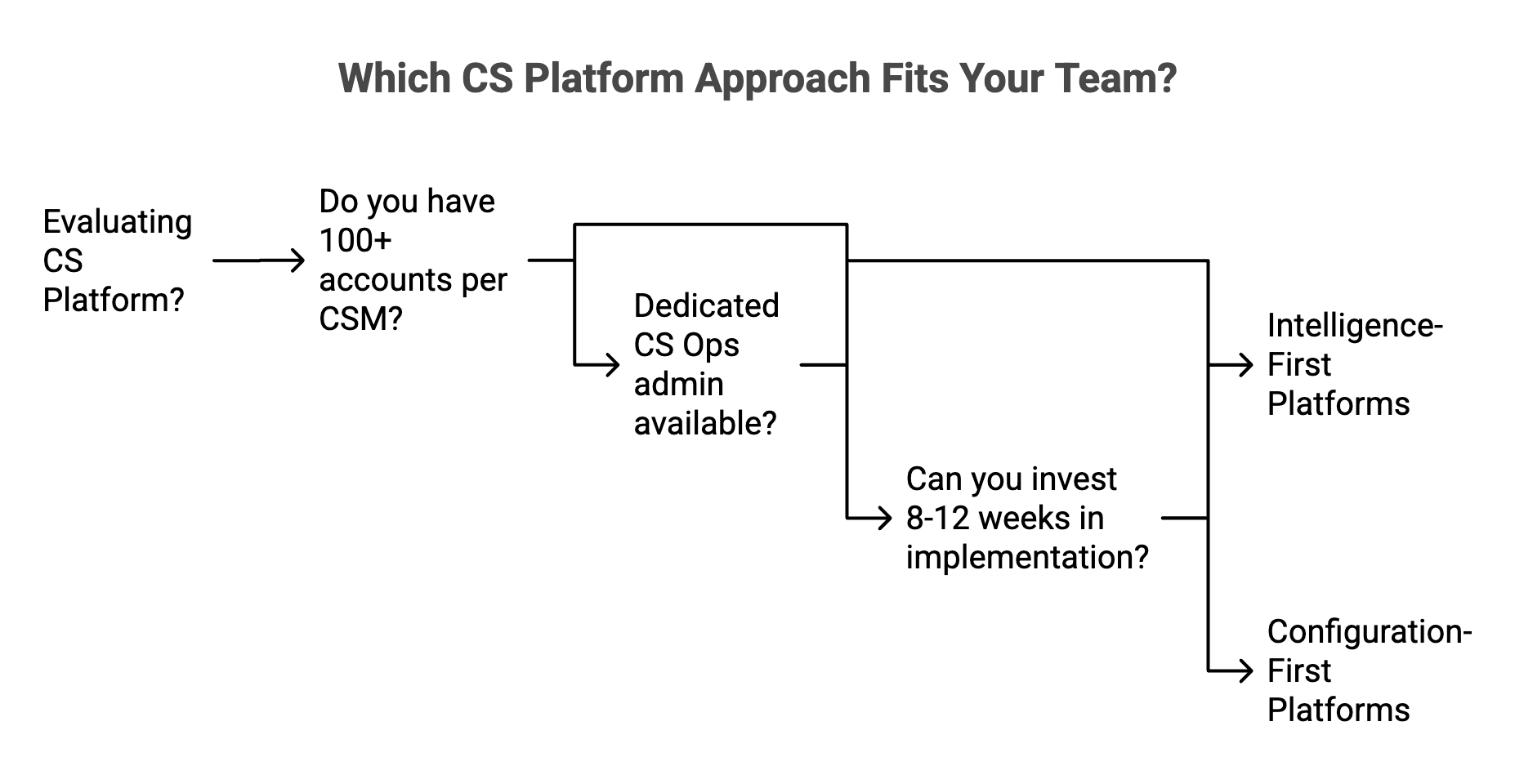

.png)